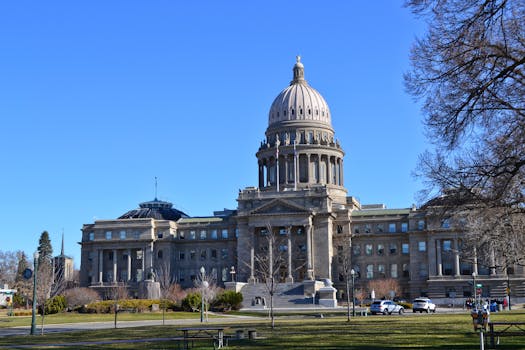
In the evolving landscape of employment legislation, understanding the precise mechanisms and ramifications of specific laws is paramount for both employers and employees. Have you considered the subtle yet significant shifts that a piece of legislation like the 2020 Idaho Fairness Law might introduce into the workplace? This law, enacted in March 2020, ostensibly aimed to bolster fairness and transparency in employment practices within the state. However, like many legislative efforts, its actual implementation and the downstream effects warrant a deeper, more analytical examination.
The Genesis and Stated Intent of the Fairness Act
The 2020 Idaho Fairness Law, officially known as the Idaho Employment Protection Act, emerged from a desire to clarify certain employment-related provisions, particularly concerning non-compete agreements and wage disclosure. Proponents argued it would foster a more equitable playing field, empowering workers by providing greater predictability and recourse in their employment contracts. The core tenets revolved around ensuring that employers couldn’t unduly restrict an individual’s ability to pursue gainful employment post-termination, especially through overly broad non-compete clauses.
One of the primary objectives was to prevent situations where employees might feel locked into disadvantageous employment terms due to fear of professional reprisal or an inability to find comparable work elsewhere. The legislation sought to establish clearer guidelines for the enforceability of these restrictive covenants, aiming to balance the employer’s legitimate business interests with an individual’s right to career progression.
Examining the Impact on Non-Compete Agreements
Perhaps the most significant aspect of the 2020 Idaho Fairness Law pertains to its stringent limitations on non-compete agreements. Prior to its enactment, Idaho had a more permissive stance on such clauses. The new law introduced a stricter framework, stipulating that non-compete agreements are generally unenforceable against:
Employees earning below a certain hourly wage threshold (which was adjusted annually based on the federal minimum wage).
Independent contractors.
* Employees terminated without cause.
This was a substantial departure, effectively rendering many standard non-compete clauses void for a significant portion of Idaho’s workforce. The rationale behind this was to prevent employers from using these agreements as a blunt instrument to stifle competition or retain employees through intimidation rather than merit. For businesses, this meant a critical re-evaluation of their existing employment contracts and standard operating procedures.
Implications for Employer Practices and Risk Mitigation
The 2020 Idaho Fairness Law necessitated a proactive approach from employers. Those who relied heavily on non-compete agreements to protect proprietary information, client lists, or trade secrets had to find alternative, legally sound methods. This often involved investing more in robust non-disclosure agreements (NDAs) and emphasizing trade secret protection through internal policies and training.
Furthermore, employers needed to ensure meticulous record-keeping regarding wage rates and termination reasons. A misclassification or an improperly documented termination could lead to a non-compete clause being deemed unenforceable, potentially exposing the business to legal challenges. It’s in these nuances that the true complexity of such legislation often lies; the intent might be straightforward, but the operational execution requires diligent attention to detail. I’ve often found that businesses that proactively adapt their HR and legal frameworks are the ones best positioned to navigate these changes smoothly.
Wage Disclosure and Transparency Under the Act
Beyond non-compete agreements, the 2020 Idaho Fairness Law also touched upon aspects of wage disclosure. While it didn’t mandate the disclosure of specific salary ranges in job postings (as some other states have), it did aim to provide greater clarity regarding wage payment and deductions. Employers were required to be more transparent about when employees would receive their pay and the specific amounts being deducted from their earnings, ensuring that these deductions were legally permissible and clearly communicated.
This aspect of the law reinforces a broader trend towards increased transparency in the workplace, empowering employees with a clearer understanding of their compensation package. For businesses, it underscored the importance of clear, accessible payroll information and accurate record-keeping to avoid potential disputes.
Evaluating the Broader Economic and Social Context
From a broader economic perspective, the 2020 Idaho Fairness Law can be seen as part of a larger movement to rebalance power dynamics between employers and employees. By limiting the scope of non-compete agreements, the law potentially fosters a more dynamic labor market, encouraging worker mobility and innovation. When individuals are less constrained by restrictive agreements, they may feel more empowered to pursue entrepreneurial ventures or seek out roles that better align with their skills and career aspirations.
However, it’s also crucial to acknowledge the arguments from some business sectors that overly restrictive non-compete limitations could hinder investment in employee training and development. If employers cannot adequately protect their investment in specialized knowledge or client relationships, they might be less inclined to offer extensive training or competitive compensation packages that are often tied to such protections. This creates a complex interplay of potential benefits and drawbacks, the full extent of which may only become apparent over time.
Navigating the Future: Adapting to Evolving Employment Law
The 2020 Idaho Fairness Law serves as a salient reminder that employment legislation is not static. It requires ongoing vigilance and a willingness to adapt. For businesses operating in Idaho, this means staying abreast of any judicial interpretations or potential amendments to the law. It also highlights the importance of cultivating a workplace culture that fosters trust and fair treatment, as these foundational elements often serve as the most robust form of employee retention and satisfaction, irrespective of specific legal mandates.
In conclusion, the 2020 Idaho Fairness Law represented a significant legislative intervention aimed at enhancing fairness and transparency in Idaho’s employment landscape, particularly concerning non-compete agreements and wage transparency. While its intent was to create a more equitable environment, its implications necessitate careful consideration of employer practices, risk mitigation strategies, and the broader economic context. The ongoing evolution of employment law demands a proactive and informed approach from all stakeholders to ensure a productive and just workplace for everyone.